

Everything You Need to Know About Hairballs
By Faith P.
What Are They
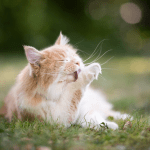 Cat owners may notice their furry friend constantly licks their fur to keep it healthy and clean. However, this can cause cats to swallow some of their furs. As the name suggests, hairballs are mats of hair usually tubular in shape -not a ball- and they are covered in mucus. Since hair is made of keratin, it is not digestible. Most times, your cat will excrete most of the hair in its feces; however, if there is too much hair in its digestive tract and they cannot move the hair through it, they will form hairballs. Your cat then coughs out. While hairballs aren’t especially dangerous, they can cause health problems. Though we can’t stop the production of hairballs entirely, there are things you can do to help your cat.
Health Hazards
The matted hair from a hairball can cause a severe health threat if it becomes too big to pass through the little sphincters in their esophagus, stomach, or intestinal tract. Another health threat is that if the hairball does make it to the intestinal tract, it could become lodged there. It doesn’t happen very often, but it can be fatal if not removed, and you can only remove it through surgery.
How to Help Them
There are a couple of ways to help your cat out with hairballs.
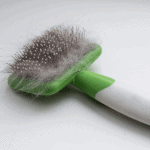 The first is grooming. Even though your cats are entirely capable of grooming themselves, this will help with the amount of hair they will end up digesting. Frequently grooming your cat, a lot of the hair that may have ended up in their stomach or as hairballs will be on the brush. This is especially important for long hair cats. Many cats often love the extra attention from being groomed. Which helps create a lasting bond between you and your cat.
Another thing that could help with hairballs is hairball products. Hairball products will help reduce shedding and, in turn, reduce the number of hairballs that form. Some of these products are jelly-like and are petroleum-based; they act as a mild laxative and lubricant that could prevent a hairball from forming or help it pass through their digestive tract. You can place these products onto your cat’s paw, and they will likely lick and ingest the product.
The last option that we’ll touch is one of the best options for reducing hairballs; your cat’s diet. Owners have many options as to what they want to feed their cats, and thanks to the progress we’ve made with cat food, there are a couple of options to help with hairballs as well. These foods will likely be high in fibre. The fibre helps the built-up fur pass through your cat’s system with more ease. When you’re looking for a hairball cat food, read the labels and see what the best option for your pet is.
No more Hairballs:
Yes, hairballs are natural for our furry friends, but when we can do something to prevent the dreaded hacking sound followed by “Clean up in aisle 6” shouldn’t we? If you’re still lost or can’t find products that work, remember you could always ask your vet for possible treatment options. If you have found a great hairball product please share it with us in the comments below.
Links:
https://www.petplace.com/article/cats/pet-care/everything-you-need-to-know-about-cat-hairballs/
https://www.petmd.com/cat/conditions/complete-cat-hairball-guide-everything-you-need-know


Recent Comments